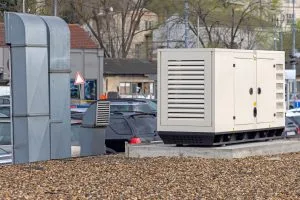
A power outage that lasts a few hours is an inconvenience. One that stretches into days puts your food, your comfort, your work, and in some cases your safety at serious risk. If you have ever sat in the dark wondering whether a backup generator would have been worth it, you are asking exactly the right question. This post walks you through the real costs, honest benefits, and everything you need to know before making a decision.
- What Does Generator Installation Cost?
- Is Generator Installation Worth It for Homeowners?
- Standby vs. Portable: Which Makes More Sense?
- What Generator Installation Involves
- Long-Term Value and Home Resale
- Ready to Move Forward with a Generator?
- Frequently Asked Questions
What Does Generator Installation Cost?
Generator installation costs vary depending on the type of unit, the size of your home, and how much electrical work is required. A portable generator with a transfer switch typically runs between $1,500 and $4,000 installed. A whole-home standby generator, which connects directly to your electrical panel and runs on natural gas or propane, generally costs between $5,000 and $15,000 or more once equipment and labour are included.
The biggest variables are generator capacity and panel readiness. If your panel upgrade is overdue or your existing panel cannot safely support a new generator circuit, that work needs to happen first. A qualified electrician will assess your panel, load requirements, and fuel source options before quoting a final number. Getting that assessment upfront prevents surprises mid-project.
Permitting fees, trenching for fuel lines, and concrete pads for standby units can add to the total. None of these costs are hidden if you work with a licensed contractor who walks you through each line item before work begins.
Is Generator Installation Worth It for Homeowners?
For most homeowners, generator installation is worth it, but the answer depends on how often your area loses power and what you stand to lose during an outage. If you rely on well water, electric heat, medical equipment, or a home-based business, the calculation tips strongly toward yes. A single extended outage can cost more in spoiled food, hotel stays, or lost income than a generator costs to install.
Beyond emergencies, a standby generator adds everyday peace of mind. You do not have to monitor weather forecasts with anxiety or scramble to find extension cords when the lights go out. The generator senses the outage and starts automatically, usually within seconds. Your household carries on with minimal disruption.
Homeowners who invest in other property upgrades, like EV charger installation or expanded residential electrical capacity, often find that adding a generator rounds out a more resilient, self-sufficient home. The investment starts making sense when you frame it as long-term infrastructure rather than a one-time purchase.
Standby vs. Portable: Which Makes More Sense?
Portable generators are less expensive upfront and can move with you, but they require manual setup, extension cords or a transfer switch, and a steady supply of gasoline. They are a reasonable short-term solution for occasional outages, but they have real limitations. Running a portable unit without a proper transfer switch is a code violation and a safety hazard, so professional installation is still required for safe use.
Standby generators are permanently installed beside your home and connect directly to your electrical system. They start automatically, run on a connected fuel supply, and can power your entire home or selected circuits depending on the unit size. The higher upfront cost reflects the higher level of protection and convenience.
For most homeowners asking whether generator installation is worth it, a standby unit offers the clearest yes. If budget is the main concern, a mid-size portable with a proper interlock kit and transfer switch is a solid middle ground. Either way, having a licensed electrician in Kamloops handle the electrical connection is not optional. It protects your home, your neighbours, and utility workers from backfeed hazards.
What Generator Installation Involves
Generator installation starts with a site assessment. An electrician evaluates your panel, determines the right generator size for your load requirements, and identifies the best placement for the unit. Standby generators need to be a minimum distance from windows, doors, and gas meters per code, so placement matters more than most homeowners expect.
From there, the work includes installing a transfer switch or automatic transfer switch, running new circuits, connecting the fuel supply, and testing the system under load. If your panel is undersized or outdated, panel upgrades may be completed at the same time. The full installation typically takes one to two days for a standby unit, depending on site conditions.
After installation, your electrician should walk you through how the system operates, what routine maintenance looks like, and how to read any fault codes. A well-installed generator also benefits from ongoing electrical maintenance to keep transfer switches clean and connections tight over the years. Staying on top of maintenance protects the full investment.
Long-Term Value and Home Resale
A permanently installed standby generator adds measurable value to a home. A working standby generator is widely considered a valuable feature for buyers, especially in areas prone to outages, particularly in regions with regular storm activity or aging grid infrastructure. Buyers who have experienced prolonged outages recognize the value immediately. Some appraisers factor a working generator into the property valuation, especially when it is integrated with the electrical system professionally.
Beyond resale, the generator protects the other investments you have already made in your home. Sump pumps, HVAC systems, refrigerators, and freezers all depend on continuous power. One outage during a basement flood or a deep freeze can cause thousands in damages that a generator would have prevented entirely.
When you weigh generator installation against the cumulative cost of outage-related losses over a few years, the math tends to favour installation. For homeowners who have already upgraded their electrical infrastructure, a generator is a natural final step toward a home that runs reliably in any conditions. It pairs well with investments in core electrician services that modernize the whole system at once.
Ready to Move Forward with a Generator?
If you have been going back and forth on whether generator installation is worth it, the best next step is a straightforward conversation with a licensed electrician who can assess your specific home. At Rooham Electric, we handle every stage of the process, from sizing and permits to installation and testing. Reach out through our generator installation page to get started, or contact us directly to book a site assessment. We will give you an honest recommendation based on your home, not a one-size-fits-all answer.
Frequently Asked Questions
Is generator installation worth it if outages in my area are rare?
Yes, for many homeowners it still makes sense, though the payoff timeline is longer. Even in areas with infrequent outages, a single extended outage during extreme weather can cause significant losses in food, heat, or property damage. If you rely on medical equipment, work from home, or have a well pump, the value of backup power is high regardless of outage frequency. A portable generator with a proper transfer switch is a lower-cost option if full standby coverage feels like too much for your situation.
How long does generator installation take?
Most standby generator installations are completed in one to two days. The timeline depends on site conditions, whether a panel upgrade is needed, and how complex the fuel line run is. Portable generator transfer switch installations are usually done in a few hours. Permit approval in some areas can add a few days to the overall schedule, so it helps to plan ahead rather than waiting until storm season arrives.
What size generator do I need for my home?
A 10 to 20 kilowatt generator covers essential circuits in most average-sized homes, including the furnace, fridge, lights, and a few outlets. Whole-home coverage for a larger house typically requires 22 kilowatts or more. The right size depends on your total electrical load, which an electrician calculates by reviewing your panel and the circuits you want protected. Oversizing wastes money on equipment and fuel, while undersizing leaves critical systems unprotected, so a proper load calculation matters.
Do I need a permit for generator installation?
Yes, a permit is required in most jurisdictions for any generator connected to your home’s electrical system. Permits exist to ensure the installation meets safety codes, particularly around transfer switch requirements that prevent backfeed onto utility lines. A licensed electrician pulls the permit on your behalf and arranges any required inspections. Skipping the permit process can affect your home insurance coverage and create liability issues if something goes wrong during an outage.
How much maintenance does a standby generator need?
Standby generators typically need an oil change and filter inspection every 100 to 200 hours of run time, plus an annual service check even if the unit has not run much. Most modern standby generators run a brief weekly self-test automatically, which keeps the engine ready and flags any issues early. Keeping up with this maintenance extends the life of the unit significantly and ensures it starts reliably when you actually need it. Scheduling regular service through a licensed electrical contractor keeps the whole system in good shape.